A beginner hike in Gozo usually succeeds or fails before anyone laces their shoes. The ferry, the daylight and whether everyone knows who pays for what matter more than the path. If you are working out how to plan a beginner hike in Gozo for a group of people you have not met yet, the walking is the easy part. The planning around it is where a host makes the day work.
This guide covers the hosting craft. It explains how to pick an easy route and a public meeting point, time the walk around heat and sunset, and state costs up front. It also covers choosing who joins and handling the guest who never arrives. For the basics of posting a plan, see the MeetNow FAQ. We will not repeat them here.
Choosing a beginner-friendly route and meeting point
For a group of new people, a beginner route should have these qualities:
- Short and mostly gentle.
- On clear paths, with no scrambling.
- Easy to cut short if someone is struggling.
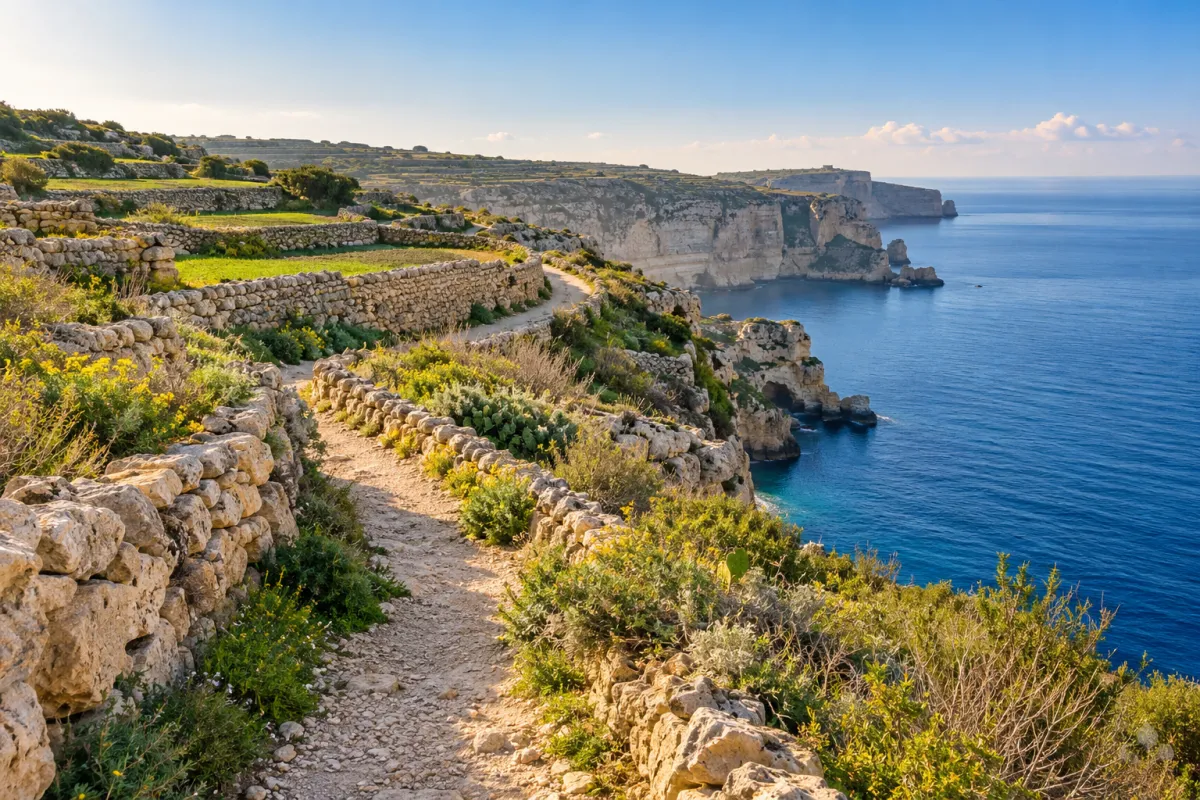
Gozo has plenty of coastal and countryside walking, but not every path suits someone whose usual walk is a seafront promenade. Some cliff edges have no fence, some ground is loose and stony, and many fields are private land.
The safest rule for a host is simple: only lead a route you have walked yourself, recently and in similar weather. A pin on a map is not a route. Paths get overgrown, access changes and a short walk on screen can turn out to be steep and exposed in real life. If you have not done the walk, do a recce on your own first, or choose a different plan.
Describe the route in terms of what people will experience, not promises you cannot check. Cover these points:
- The surface underfoot.
- Whether there is shade.
- Roughly how hilly it is.
- Whether there is anywhere to buy water or food along the way.
Beginners care far more about these details than about a route name they will not recognise.
Meet somewhere public and easy to find
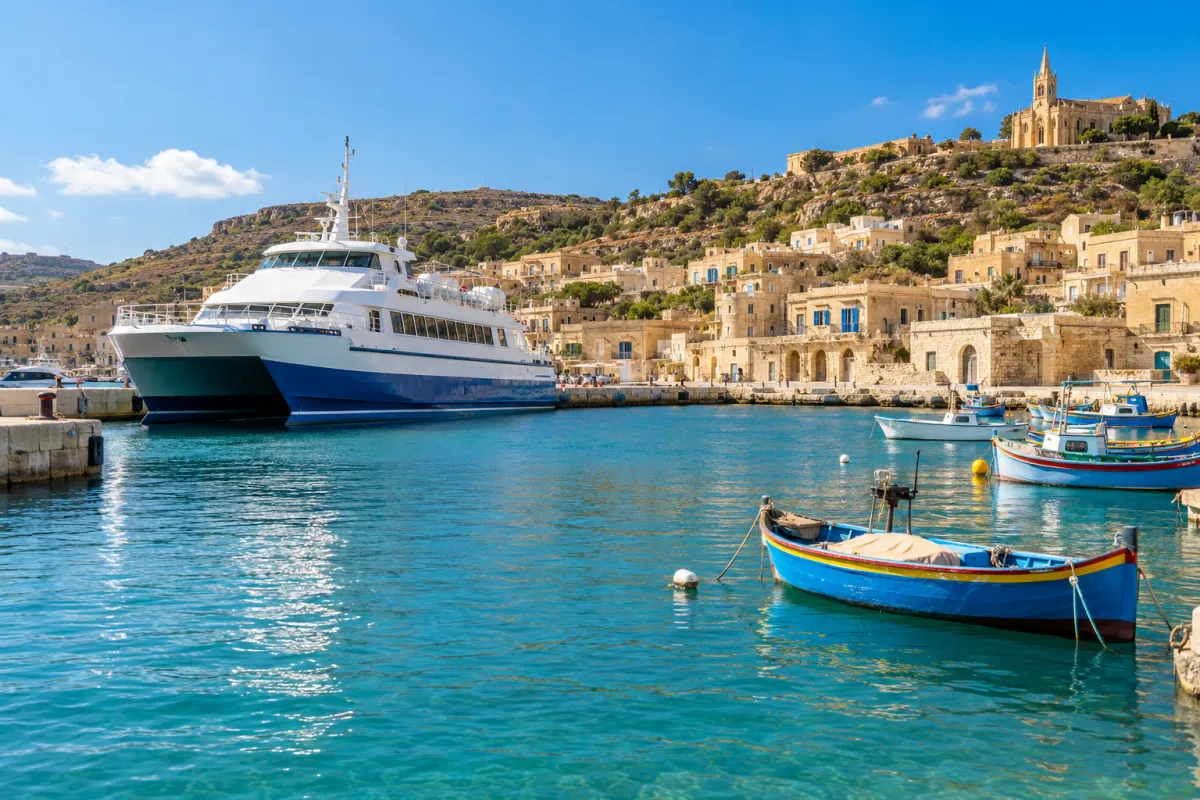
For guests coming from Malta, the natural meeting point is the ferry. The crossing runs from Ċirkewwa in Malta to Mġarr in Gozo (Gozo Channel). Meeting at the Mġarr terminal on the Gozo side works well for three reasons:
- Everyone starts from a busy, public place.
- Nobody has to find a lay-by in the countryside.
- Guests who live in Gozo can join there too.
Some hosts prefer to meet on the Malta side and cross together, which also breaks the ice early. Either way, name one exact spot and stick to it. For more ideas for day plans across the channel, read our guide on how to find people to explore Gozo with.
Hosting on MeetNow: a hike works well as a MeetNow plan. You post the meeting point, date, time and seats and say who pays. Then you pick who joins from the people who ask. Accepted guests share a group chat for the practical details.
Timing: daylight, heat and the ferry
Daylight is non-negotiable. Gozo’s official Country Code tells walkers to plan every walk so it finishes before sunset, because country walks are not lit and can be dangerous after dark (VisitGozo Country Code). A beginner group needs a generous margin. Slower walkers, photo stops, a long lunch and a missed bus all stretch the day. Aim to be off the path well before the light starts to fade, not just before sunset.
Heat is the second constraint. In the Maltese summer, exposed paths with little shade feel hard even for experienced walkers. Beginners also tend to underestimate how much water they need. Beginner hikes work best in the cooler months. In warmer months, start early and finish the walking before the strongest sun. In winter the problem flips: days are shorter, so start earlier and keep the route shorter. Wind matters too. On a gusty day, an open cliff-top path that felt pleasant on your recce can feel unsafe for a nervous walker.
Then work backwards from the ferry:
- Check the current timetable on the official Gozo Channel website when you post the plan, and again the day before.
- Decide which outbound crossing the group will take and put it in the description.
- Plan the return crossing so nobody feels rushed at the end of the walk.
Tired, hurried beginners are the ones who trip.
What the day costs and who pays
A hike is cheap, which is part of its appeal. There are still costs, though, and guests want to know them before they ask to join. Put them in the plan description in plain words.
One detail surprises newcomers: you do not buy a foot-passenger ticket at Ċirkewwa on the way over. Gozo Channel sells tickets only at Mġarr, before departure back to Malta (Gozo Channel fares and ticketing). Mention this in your plan so nobody queues at the wrong desk. It also reminds everyone to leave a few minutes at the end for buying tickets.
| Item | Cost | Notes and source |
|---|---|---|
| Foot passenger, ferry | €4.65 | Standard passenger fare, paid at Mġarr before the return crossing (Gozo Channel) |
| Car and driver, ferry | €15.70 | Standard non-commercial vehicle and driver (Gozo Channel) |
| Bus in Gozo, single journey | €2.50 | Bought from the driver and valid for two hours, including transfers (VisitGozo) |
Fares change, so check the official pages before you post. Link or quote them in the group chat rather than relying on memory.
MeetNow host pays vs split: which fits a hike?
Every MeetNow plan says who pays: host pays, split, pay your own or free. Here is how each option fits a hike:
- Pay your own: the default for most hikes. Everyone buys their own ferry ticket, bus fare and any food. It is simple and fair, and no money changes hands between people who have just met.
- Free: suits a walk with nothing to pay for beyond getting there, for example when most guests already live in Gozo. Make clear that “free” means the plan itself, not transport.
- Split: useful when you drive across and offer seats in your car. The car and driver ticket and fuel can be shared. Say exactly what is split before anyone asks to join.
- Host pays: possible if you want to cover ferry tickets as a welcome. Say so clearly. MeetNow does not handle payments, so you buy the tickets yourself at the terminal.
Whichever you choose, state it in the first lines of the description, not halfway down. Our guide to who pays on a MeetNow plan explains each option in more detail.
Setting seats and choosing who joins
Set fewer seats than you think you can handle. On narrow paths a group walks in single file. The bigger it gets, the more it strings out, and the less you can see who is struggling at the back. A small group also fits more easily on one bus and around one café table, and it makes conversation easier for people meeting for the first time.
The join note is your best screening tool. Ask people to say, in one line, how much walking they usually do and whether they have closed shoes with grip. Then read the notes:
- Accept people whose answers fit an easy walk.
- Decline politely anyone who seems to expect something much harder or much easier. They will enjoy a different plan more.
If you want a women-only walk or a particular age range, you can limit who joins the plan. You can also block a user if needed. See MeetNow who can join settings for how this works.
Step-by-step checklist: how to plan a beginner hike in Gozo for a group
- Walk the route yourself first, in similar weather, and note shade, surfaces, water stops and an early exit point.
- Pick a season and start time that keeps the group out of the strongest heat and finishes well before sunset.
- Check the ferry timetable on the official Gozo Channel website and choose the crossing the group will take.
- Choose one public meeting point, such as the Mġarr ferry terminal, and describe the exact spot.
- Check fares on the official pages and write the costs in the description.
- Decide who pays and put it in the first lines of the plan.
- Set a small seat count and ask for a one-line note about walking experience.
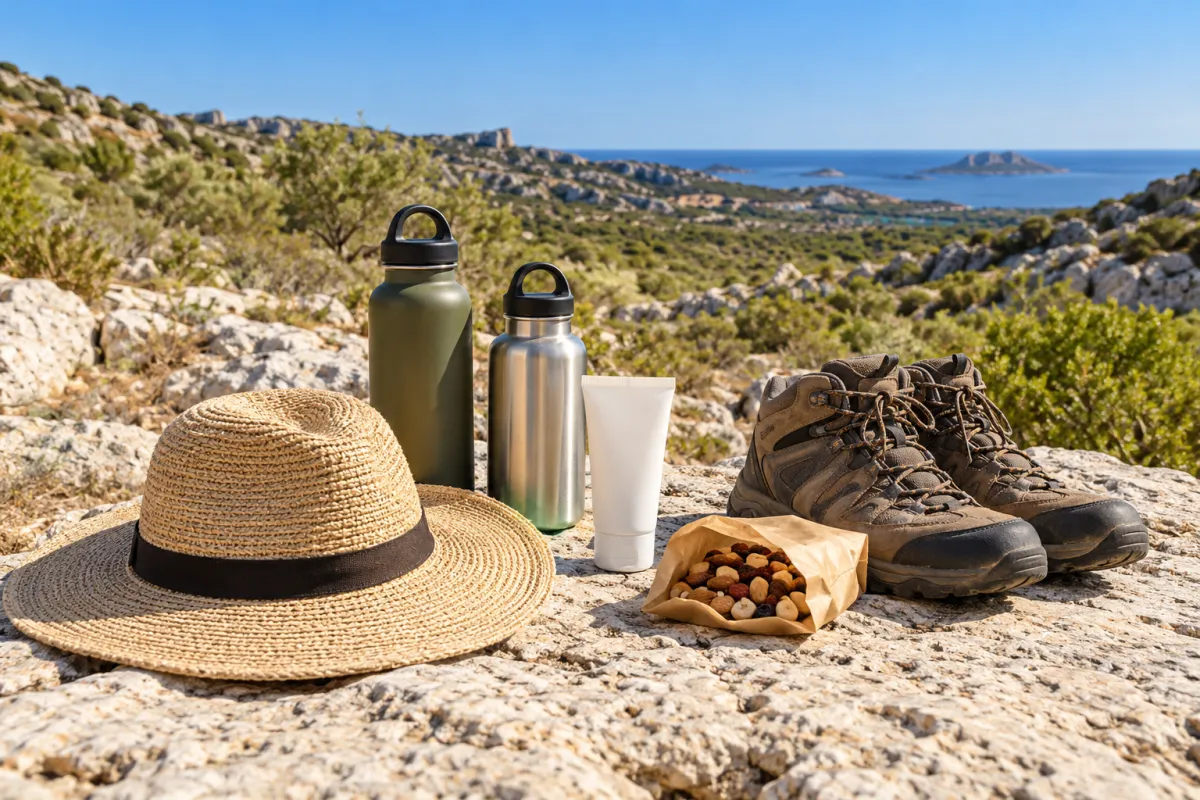
- Accept guests whose notes fit, then post a short kit list in the group chat: water, hat, sun cream, closed shoes, a snack.
- Agree a late rule in the chat, for example: “we take the stated crossing; if you miss it, message the chat”.
- Check the weather the day before, and cancel or postpone early if heat, rain or strong wind make the route unpleasant.
- Share the route and return plan with a friend who is not coming.
- After the walk, confirm “we met” with the guests who came.
Example plan description
Here is a description you can adapt. Notice that it states the meeting point, the effort level, who pays, what to bring and what happens if someone cannot come, all before anyone asks.
Easy beginner walk in Gozo, small group
Meeting point: Mġarr ferry terminal, Gozo, right after the morning crossing from Ċirkewwa. I will confirm the exact ferry in the group chat.
The walk: an easy countryside and coastal route I have walked several times. It is mostly gentle, with some uneven stony ground and little shade. We stay on the path and finish well before sunset.
Who pays: pay your own. Foot-passenger ferry tickets are bought at Mġarr before the return crossing, and buses in Gozo are paid on board.
Bring: plenty of water, a hat, sun cream, closed shoes with grip and a snack.
When you ask to join: tell me in one line how much walking you usually do. If you can no longer make it, please say so in the chat as early as you can so someone else can take your seat.
On the day: leading the walk
Start with a short briefing at the meeting point, before anyone sets off. Cover these points:
- The route in simple terms.
- Roughly where you will stop.
- Where the early exit is.
- That the group walks at the pace of the slowest person.
Ask everyone to check they have water. Count heads at every junction and stop. Put a confident walker at the back if you have one, so nobody drops behind unseen.
Look after the landscape as well as the group. The Country Code asks walkers not to climb rubble walls, because they can collapse, damage private property and cause soil erosion (VisitGozo Country Code). Mention this in your briefing, because the walls look like perfect seats and climbing frames. Stay on the path, keep well back from unfenced edges, and take all rubbish home.
Conversation often looks after itself on a walk. Side-by-side walking is easier for strangers than sitting face to face. At the first rest stop, a simple round of names and what brought each person to the plan is enough. Afterwards, guests who met you can confirm “we met”, which adds to everyone’s MeetNow track record.
No-shows, late arrivals and cancellations
MeetNow: what if a guest doesn’t show up?
On a city dinner, a no-show leaves an empty chair. On a Gozo hike, the ferry sets the clock, and it will not wait for anyone. Decide your rule before the day and put it in the description and the group chat. For example: you wait a few minutes at the meeting point, then the group sets off, and late guests message the chat. Do not hold the whole group back, and do not chase someone across two islands.
Most no-shows are avoidable. A short message in the chat the evening before helps a lot: confirm the crossing, the meeting spot and the kit list. People who are not coming tend to say so when asked directly. If someone drops out early, you can open the seat again for someone else. Only the people who actually met confirm “we met”. Over time, that shows which guests turn up.
When the host should cancel
Cancel or postpone early if the weather turns against a beginner walk: extreme heat, heavy rain or strong wind on an exposed route. Tell the group in the chat as soon as you decide, give a short reason and suggest a new date. An early, clear cancellation builds more trust than a miserable walk.
Safety as a host
Safety checklist for hosts and guests
- Public place: meet at a busy, public point such as the ferry terminal, never at a private address or an isolated spot.
- Tell a friend: share the route, the meeting point and the return crossing with someone who is not coming, and message them when you are back.
- Your own way home: everyone should know the return ferry and bus options and be able to get back on their own if they leave early.
- Leave if uncomfortable: anyone, including the host, can step out of the plan at any point. Make this clear in your briefing.
- Heat, water and daylight: carry more water than you think you need, cover up from the sun, keep back from cliff edges and finish well before sunset.
- Phone: charge it fully and keep it on you, not in a bag at the back of the group.
For more on vetting guests and setting expectations, read our safety tips for hosting strangers.
Want to turn this into an actual plan? MeetNow is a free app for meeting people in person: a host posts a plan at a public place, says who pays (host pays, split, pay your own or free) and picks who joins. It is launching in Malta first and is not in the App Store or Google Play yet: join the MeetNow waitlist and we’ll email you when it launches near you.
Frequently asked questions
Do I need hiking experience to host a beginner hike in Gozo?
You do not need to be an expert, but you should have walked the exact route yourself, recently and in similar weather. Knowing where the shade, the tricky ground and the early exit are matters more than any hiking qualification.
Where do we buy ferry tickets when going to Gozo as a group?
Foot-passenger tickets are not bought at Ċirkewwa on the way over. Gozo Channel sells them only at Mġarr, before departure back to Malta, so leave a little time at the end of the day for buying tickets.
Should a hike be host pays or split on MeetNow?
Most hikes work best as pay your own, because each person covers their own ferry and bus. Split suits a host who drives and shares the car costs. Host pays is fine if you want to cover tickets yourself. Whatever you choose, state it clearly at the top of the plan.
What if a guest doesn’t show up for the ferry?
Set a rule in advance: wait a few minutes at the meeting point, then go, and the late guest messages the group chat. The ferry will not wait, so do not hold the whole group back. A reminder in the chat the evening before prevents most no-shows.
What is the best time of year for a beginner hike in Gozo?
The cooler months are the most comfortable for beginners. In warmer months, start early and finish before the strongest sun. In any season, plan to finish well before sunset, because country walks in Gozo are not lit.