Most problems with a group hike happen before anyone starts walking. Strangers search for each other at a meeting point, someone turns up in sandals, and nobody has enough water. Often the host never said how fast the group would go. When you work out how to organise a hike with new people in Malta, those small details matter more than the route itself. Get them right in the plan and the trail mostly looks after itself.
This guide is for hosts who already know how to post a plan and want to know how to run a good group hike. It covers choosing a route you can lead, setting a start time that respects the Maltese sun, writing a description that attracts the right people, and keeping a mixed group safe, friendly and on the path. It relies on what the Environment and Resources Authority and the Malta Police say, and leaves out anything we could not verify.
One note before you start: we do not recommend specific trails here. The best route for your first hosted hike is one you have walked yourself.
Pick a route you have walked yourself, meet at a public place in the cooler part of the day, keep the group small and say clearly how long the walk is, how hard it is and who pays. Accept joiners whose notes show they read the plan, use the group chat for the exact meeting point and kit list, and finish with daylight to spare. Stay on marked paths, carry all rubbish out and keep the noise down in protected areas.
Step-by-step: how to organise a hike with new people in Malta
Use this as your checklist. The sections below explain each step.
- Choose a route you have walked recently, from start to finish. Know where it is rocky, exposed or narrow, and where you could cut it short.
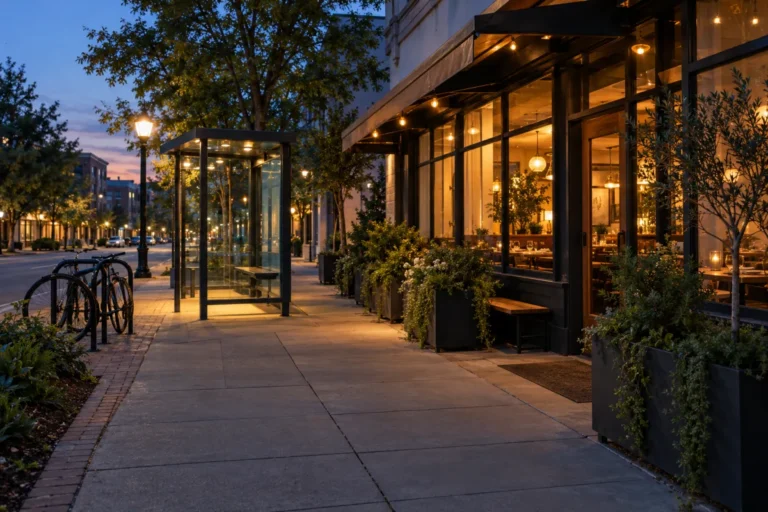
- Pick a public, easy-to-find meeting point. A bus stop, a public car park or a café at the start of the path works well.
- Set the start time for the cooler hours. Work back from sunset so the group finishes in daylight.
- Decide the seat count. It should be small enough that one person can keep track of everyone.
- Decide who pays and say it in the plan. Hikes are usually free or pay your own.
- Write the description. Include the length in time, the terrain, the pace, the kit, the end point and how people get home.
- Ask one question in the plan and accept joiners who answer it. Decline the rest politely.
- Post the exact meeting point, kit list and a weather update in the group chat.
- Tell a friend outside the group where you are going and when you expect to finish.
- On the day, count heads at the start. Regroup at every junction and count again at the end.
- Afterwards, confirm “we met” and thank everyone in the chat.
Hosting with MeetNow: On MeetNow, a host posts a plan at a public place with a time, a seat count and who pays. People ask to join with a short note, and you pick who comes. Accepted guests share a group chat, which is where your hike logistics go. For ideas on getting a plan full, read our guide on how to fill the seats for a group plan.
Pick a route you can actually lead
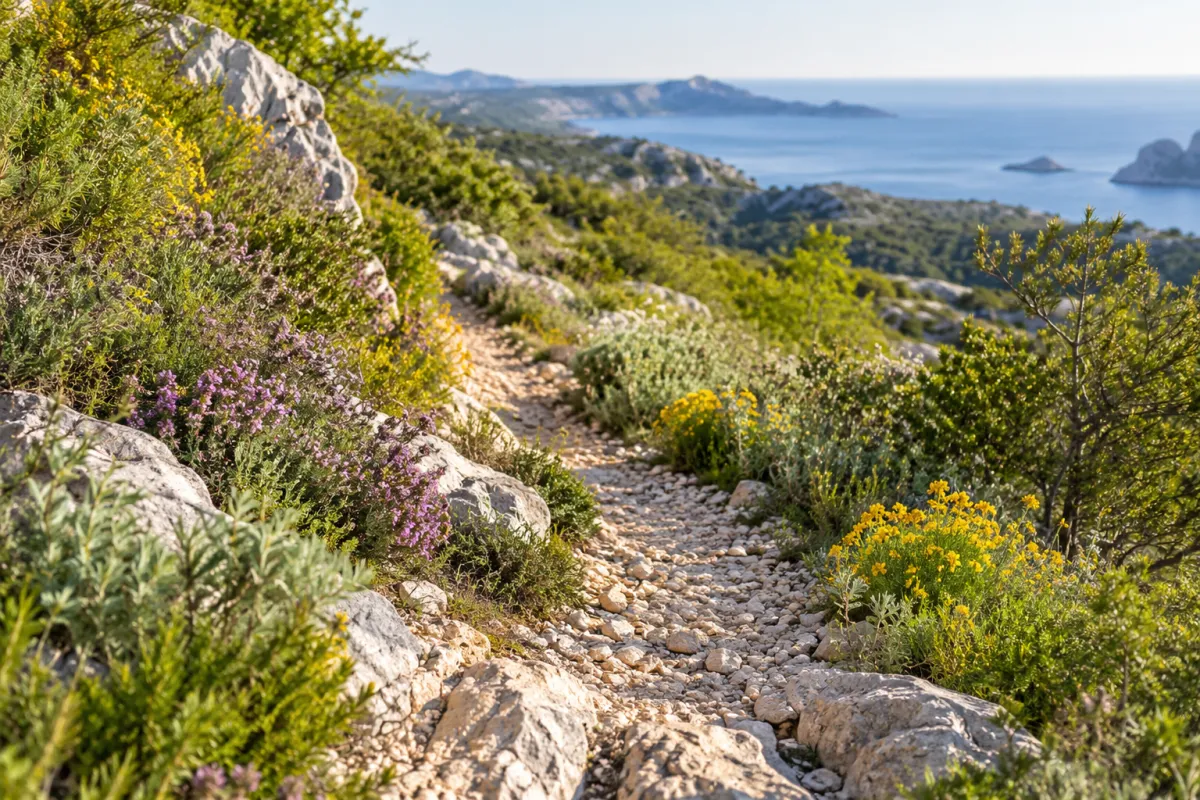
Leading a walk is different from following one. As host, people will look to you at every fork, every steep section and every “how much further?” Only choose a route you have walked recently, from start to finish. Paths in the Maltese countryside can be stony and uneven, and the surface and markings can change after heavy rain. A route you only know from photos or a map line is not ready to host.
While you walk it, note a few things:
- Shade and exposure: long open sections in full sun are the main thing that tires a group.
- Tricky sections: loose rock, narrow ledges, steps or places close to a cliff edge.
- Exit points: places where someone who is struggling could leave and reach a road or bus stop.
- The finish: a circular route or one that ends near public transport means nobody gets stuck.
- Phone signal: where it drops, so you can agree a regroup point before you lose it.
If you are thinking of a walk on the sister island, the ferry adds travel at both ends and a fixed return you need to plan around. Our guide on finding people to explore Gozo with covers that side of the planning.
Protected areas and permits
Many of the most scenic rural and coastal areas of the islands are protected Natura 2000 sites. The Environment and Resources Authority (ERA) says casual recreation needs no formal permit. However, organised gatherings or club hikes above certain group thresholds need prior notification or clearance, sent to nature.permitting@era.org.mt. A small social walk with a handful of new people is the normal shape of a hosted plan. If you are planning something larger or more structured, check with ERA before you post it.
Set the start time, seats and who pays
Start time: plan around heat and daylight
Shade is scarce on many paths, and the sun is strong for much of the year. An early-morning start or a late-afternoon walk usually works better than the middle of the day. For late-afternoon plans, check the sunset time and work back. The group should be at the end point with daylight to spare, not walking the last stretch in the dark. Agree a clear finish time so people can plan their way home.
Seats: small enough to count at a glance
A hiking group spreads out quickly. Keep the seat count low enough that you can see everyone, wait for the slowest walker and still talk to people. For your first hosted hike, go smaller than you think. You can open more seats once you know how the route works with a group.
Who pays: say it up front
The walk itself usually costs nothing, so most hike plans are free. If you end with a coffee or a snack, pay your own is the simplest option. Use split only for something genuinely shared, such as a taxi back from the end point, and say so in the description. For more on each option, see who pays on a MeetNow plan.
How to write a plan description that gets joiners
People join plans they can picture. “Chill hike, all welcome” attracts nobody, or the wrong people. A good description answers the questions a cautious newcomer has before they ask to join:
- What and how hard: put the pace and difficulty in the first line.
- How long: give the time, not only the distance. Include stops.
- Terrain: rocky, uneven, steps, little shade. Be honest.
- Meeting point and end point: both public, and how people get home from the end.
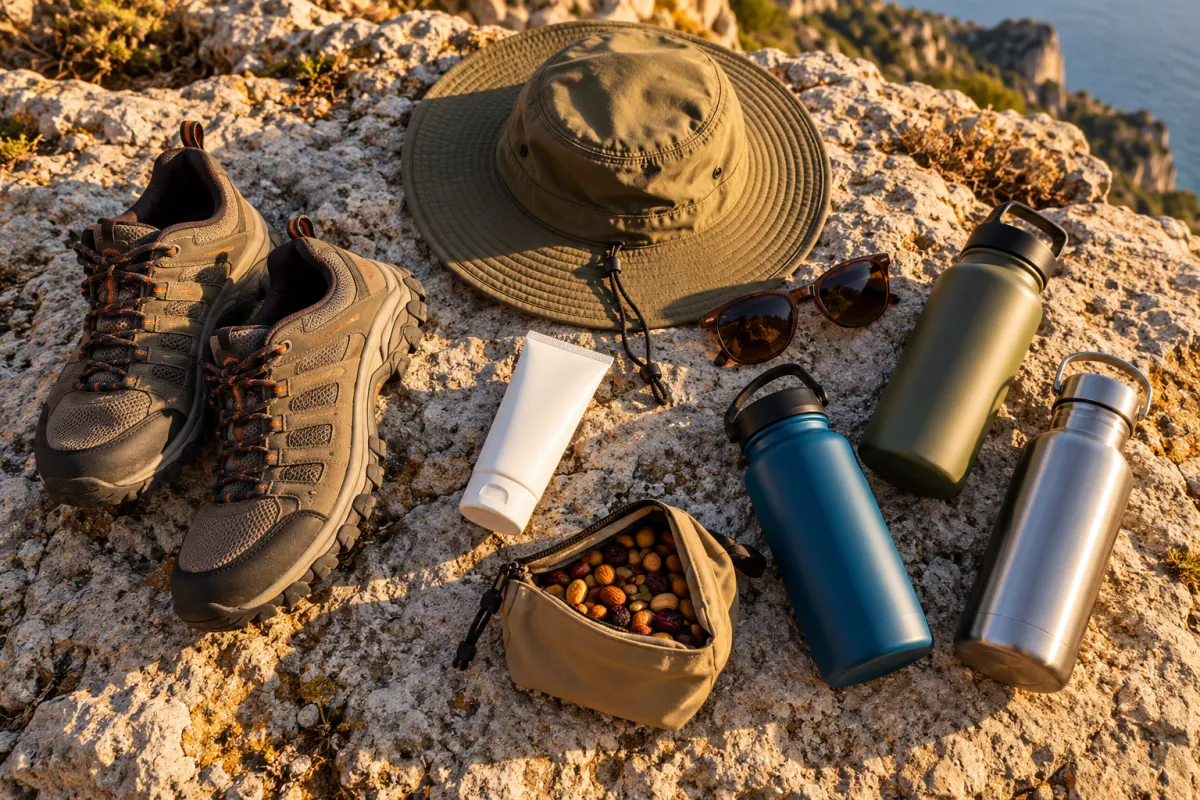
- Kit: shoes, water, sun protection, a snack.
- Who pays: stated clearly.
- House rules: stay on the path, take rubbish home, no speaker music.
- One question for the note: this helps you choose who joins.
Example plan description
Easy-pace coastal walk, coffee after (pay your own)
Saturday morning, with an early start to avoid the heat. We will walk a marked coastal footpath in the north that I have done several times. It is rocky in places with very little shade, but there is no steep climbing. Expect a relaxed half-day, including photo stops and a coffee at the end.
Meeting point: a public bus stop at the start of the path. I will post the exact spot and a photo in the group chat once you are accepted. The walk ends near a bus stop, so everyone can make their own way home.
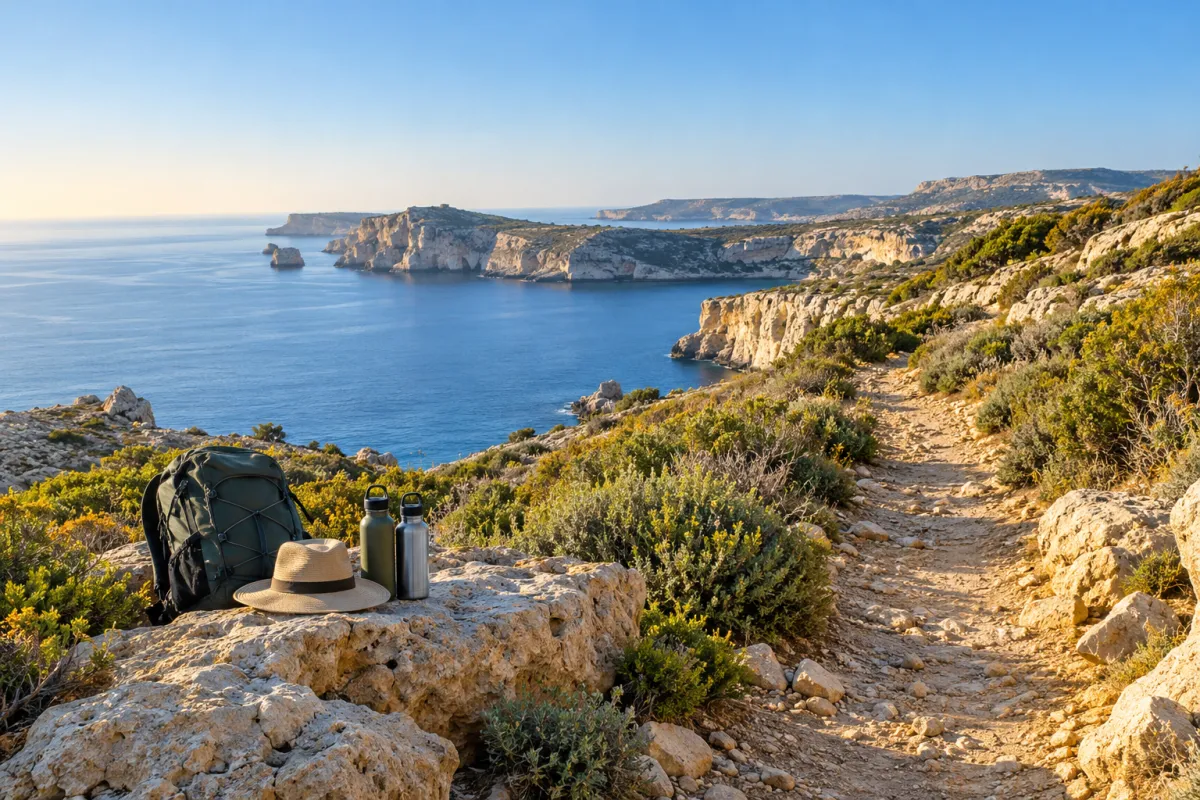
Bring: shoes with good grip (no flip-flops), plenty of water, a hat, sun cream and a snack.
Who pays: the walk is free, and the coffee afterwards is pay your own.
We stay on the path, take our rubbish home and leave the speakers at home.
In your note: tell me how much walking you usually do and whether you are fine on uneven ground.
This works because it sets expectations on effort, heat and cost before anyone asks. The meeting point is public. Everyone has their own way home. The note question gives you a real reason to accept or decline people.
Choosing who joins and using the group chat
Read every note. Someone who answers your question and mentions their walking experience is usually a safe yes. If a note ignores the plan or says nothing at all, you can decline it politely. You do not owe anyone a seat. If a plan suits a particular group, you can limit who joins by gender or age range. You can also block anyone who makes you uncomfortable. The who can join settings guide explains how these options work. Remember that MeetNow is about plans, not profiles. If someone treats a hike as a date, that is a reason to decline.
Once people are accepted, the group chat is your briefing room. Post one clear message with:
- the exact meeting point, with a photo or a description of a landmark;
- the start time and how long you will wait for late arrivals;
- the kit list again, especially water and shoes;
- the end point and how people get home from it;
- a request for everyone to reply to confirm they are coming.
Post a short weather update the evening before. Agree in the chat how people should tell the group if they are running late.
On the trail: pace, conversation and the rules
Pace and headcounts
Walk at the speed of the slowest person, not the fittest. If someone in the group seems confident, ask them to walk at the back so nobody falls behind on their own. Stop at every junction until everyone has caught up. Count heads at the start, at each regroup and at the end. It feels fussy, but it is the habit that prevents most problems.
Keeping the conversation going
If you have ever wondered how to keep conversation going at a group dinner, a hike is easier. People walk side by side, so there is less pressure to make eye contact, and the scenery gives everyone something to talk about. Some simple habits help:
- Do quick introductions at the meeting point, with names and one easy question, such as their favourite walk so far.
- Change who you walk beside after each stop, so that small groups do not form too early.
- Use the breaks for group moments, such as photos or sharing snacks, and give quieter people an easy way to join in.
- Let silence happen. On a trail, it is comfortable, not awkward.
For more ideas that do not feel forced, see our guide to icebreakers that actually work with strangers.
Trail rules to brief everyone on
ERA asks walkers to keep strictly to established footpaths. Trampling is a major threat to fragile garigue and steppe habitats, and many indigenous and endemic plants are legally protected, so picking wild plants is not allowed (ERA). In protected wildlife areas, avoid shouting and loud music, which disturb nesting and migratory birds. All waste must be carried out, and open fires inside Natura 2000 sites are heavily restricted. Mention these rules once at the start, and you will rarely need to repeat them.
Safety box for hike hosts
Before you go
- Meet at a public place that is easy to find, never at someone’s home or in a private car.
- Tell a friend outside the group your route, the group size and when you expect to finish. Ask guests to do the same.
- Make sure everyone has their own way home from the end point.
On the trail
- Water, a hat and sun cream are essential, not optional. Stop in the shade when you can.
- Keep well back from cliff edges, especially when taking photos.
- Finish with daylight to spare.
- Anyone can leave at any point if they feel uncomfortable, including you. Point out the exit points at the start.
- In an emergency, call 112. The Malta Police say it is free and works from any mobile phone, even without a SIM card.
For the wider picture, read our guide to safety tips for hosting strangers.
No-shows, weather and cancellations
State your waiting policy in the group chat and keep to it. A short wait, then you leave, is fair to the people who arrived on time. If someone has not confirmed by the evening before, message them directly. If they still do not reply, assume they are not coming.
Weather is the most common reason to cancel a hike. If strong heat, heavy rain or strong wind is forecast, postpone early. Do not wait until people are already travelling. Cancel clearly in the chat, say why and suggest another date if you can. If you need to drop out yourself, treat it the same way you would want a guest to: tell people early, explain briefly and apologise.
Afterwards, confirm “we met” with the people who actually walked with you. These confirmations build each person’s track record over time, so only confirm people who turned up. A short thank-you message in the chat, perhaps with a photo of the view, is often how the next hike starts.
That is all you need to know about how to organise a hike with new people in Malta: choose a route you know, write an honest plan, keep the group small and safe, and look after the places you walk through.
Want to turn this into an actual plan? MeetNow is a free app for meeting people in person: a host posts a plan at a public place, says who pays (host pays, split, pay your own or free) and picks who joins. It is launching in Malta first and is not in the App Store or Google Play yet: join the MeetNow waitlist and we’ll email you when it launches near you.
Frequently asked questions
Do I need a permit to organise a group hike in Malta?
Casual recreation does not need a formal permit. The Environment and Resources Authority says organised gatherings or club hikes above certain group thresholds in protected Natura 2000 areas need prior notification or clearance, sent to nature.permitting@era.org.mt. A small social walk is the usual hosted plan. If yours is larger or more organised, check with ERA before you post it.
What time of day is best for a group hike in Malta?
Choose the cooler part of the day: an early-morning start, or a late-afternoon walk that finishes well before dusk. Shade is scarce on many paths, so plan around the heat and make sure the group reaches the end point with daylight to spare.
How many people should I take on a first hike with new people?
Keep the group small enough that you can count everyone at a glance and wait for the slowest walker without the group splitting up. You can host a bigger walk later, once you know the route and have a few hikes behind you.
Who should pay on a hike plan?
The walk itself usually costs nothing, so most hosts set the plan as free, or pay your own if there is a coffee or snack stop at the end. Whatever you choose, put it in the plan description so nobody is surprised.
What should I do if someone gets hurt on the trail?
Stop the group, stay with the injured person and call 112, the emergency number in Malta and Gozo, which the Malta Police say is free and works from any mobile phone even without a SIM card. Share your location as precisely as you can and keep the rest of the group together and away from cliff edges.