Most first meetups with new people go wrong for small, fixable reasons. The description was vague, the meeting point was hard to find, or nobody knew who was paying the bill. If you are working out how to host a meetup for new people in Malta, the useful news is that good hosting is mostly a handful of decisions made before anyone arrives.
This guide covers the hosting craft. It explains how to choose the place, time and seat count, write a plan description that fills seats and pick who joins. It also covers using the group chat well and dealing with no-shows calmly. For the button-by-button basics of posting a plan in the app, the MeetNow FAQ has you covered.
Everything below works for a coffee, a group dinner, a game night, a picnic, a sunset walk, a hike or a quiz team. The steps are the same. Only the details change.
How this works on MeetNow: you post a plan at a public place with a date, time, seat count and who pays (host pays, split, pay your own or free). People ask to join with a short note. You accept or decline each request, and accepted guests get a group chat. Afterwards you both confirm “we met”, which builds each person’s track record. It is about plans, not profiles.
Choose the place, time and seats first
New guests decide whether to ask to join based on three things they can check at a glance: where, when and how many. Get these right and the rest of the plan becomes much easier to write.
The place
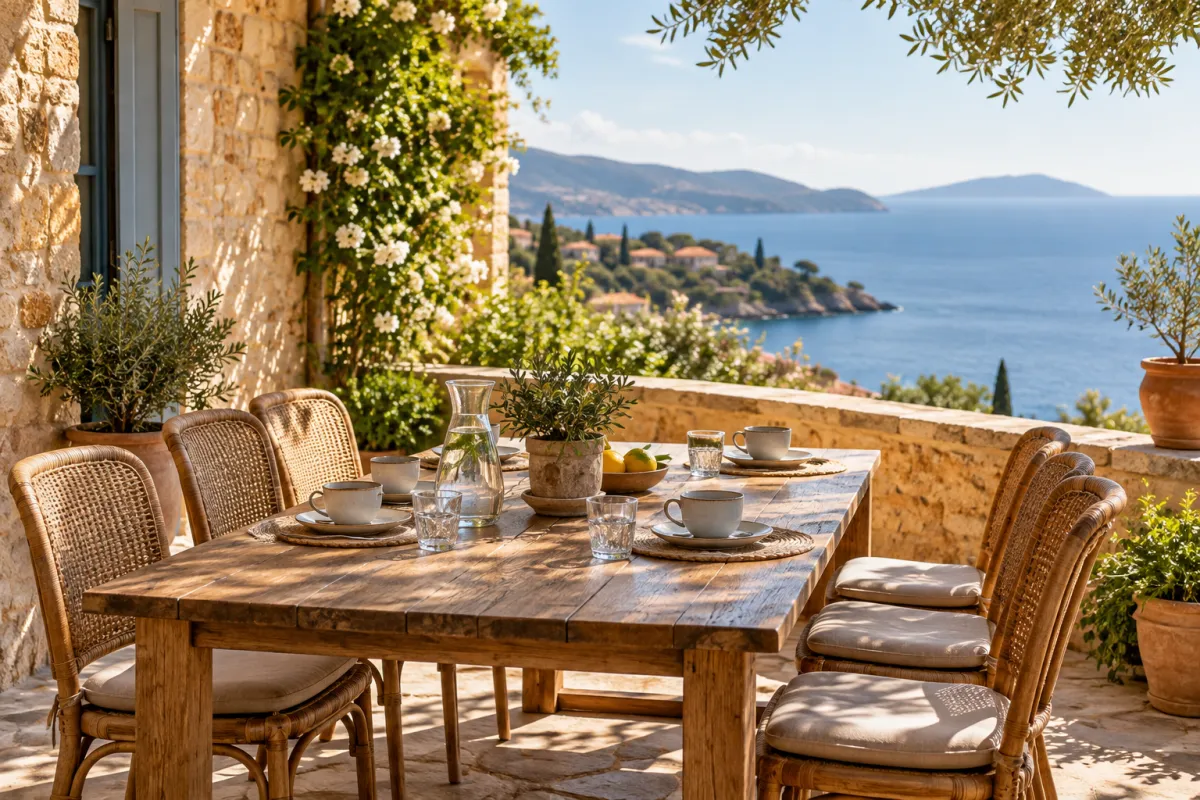
Always choose a public place: a café, a restaurant, a bar with tables, a promenade or a well-known outdoor spot. It should be easy to find. A café with a clear entrance beats “somewhere near the bus stop”. Pick somewhere you can hear each other, because a first meetup is mostly conversation. If you are booking a table, book it in your name and say in the plan that it is booked.
The time
Give a start time and a rough end time. People who have never met you feel more relaxed when they know how long they are committing to. Weekend mornings suit coffee and walks. Early evening suits dinners, game nights and quiz teams. In the warmer months, outdoor plans work best early in the morning or close to sunset, when the heat eases.
The seats
Smaller groups are easier to host. Everyone can follow one conversation, and one late arrival does not change the plan. For a first plan, a table of four to six including you is a comfortable size. You can grow from there once you have hosted a few times.
| Plan type | Good kind of place | Time that usually suits | Who pays fits well |
|---|---|---|---|
| Coffee meetup | Café with larger tables | Weekend morning | Pay your own |
| Group dinner | Restaurant that takes group bookings | Early evening | Split or pay your own |
| Game night | Café or bar that allows board games | Early evening | Pay your own; host brings the games |
| Sunset walk | Busy seafront promenade | Before sunset | Free |
| Hike or picnic | Well-known, popular outdoor spot | Early morning | Free or pay your own |
| Quiz team | Venue that runs a regular quiz | Evening | Pay your own |
Who pays
Decide this before you post and state it in the first lines of the plan. There are four options: host pays, split, pay your own or free. Pay your own is the simplest for a first meetup, because nobody has to settle up afterwards. If you choose split, say what is being split, for example the shared starters only. For a fuller look at the options, read who pays on a MeetNow plan.
Step-by-step checklist: how to host a meetup for new people
- Pick the plan type. Choose something you would enjoy even if only two people came.
- Choose a public place that is easy to find and quiet enough to talk.
- Set the date, start time and end time. Check the place is open and, for dinners, book the table.
- Choose the seat count. Start small.
- Decide who pays and write it in plain words.
- Write the description: what you will do, who it suits and what to put in the join note.
- Set any limits on who can join, such as an age range, if your plan needs them.
- Review join notes and accept or decline within a reasonable time.
- Post a welcome message in the group chat once you have accepted guests.
- Send a reminder the evening before with the exact meeting point and how to recognise you.
- Arrive early, introduce people and keep to the end time.
- Confirm “we met” afterwards with each guest who came.
Write a plan description people trust
A good description answers the questions a stranger would be too polite to ask. What exactly are we doing? How long will it take? What will it cost me? Who is this for? The clearer you are, the more likely the right people are to ask to join. Vague plans attract vague requests, or none at all.
Include these points:
- What you will do, in one or two sentences.
- Where, with the exact spot pinned in the plan location.
- Start time and roughly when it ends.
- Number of seats.
- Who pays, stated plainly.
- Who the plan suits, for example people new to Malta or beginners at a game.
- What you would like to read in the join note.
Example plan description
Saturday morning coffee and a seafront walk in Sliema
We’ll meet at the café pinned in the plan location at 10:00 and have a coffee for about an hour. Afterwards, anyone who wants to can walk along the promenade towards St Julian’s. Five seats. Pay your own: you cover whatever you order. Good for people who are new to Malta or just want a relaxed chat at the weekend. In your join note, tell me one thing you like doing at weekends. I’ll post where to find me in the group chat the evening before.
Notice what the example does not do. It does not oversell, it does not promise a big crowd and it does not ask for personal details. If your plans are not filling, the guide on how to fill the seats for a group plan covers timing and wording in more depth.
How to pick who joins your plan
On MeetNow, nobody joins automatically. People ask with a short note, and you accept or decline. This is one of the most useful tools a host has, so use it deliberately.
When you read a join note, look for three things:
- Did they read the plan? A note that mentions the activity, the time or your question is a good sign.
- Does it fit the group? A beginner-friendly game night suits someone who says they are new to the game. A brisk walk suits someone who says they walk regularly.
- Is the tone friendly and relaxed? A plan is not a date. Notes that treat it like one are a reason to decline. MeetNow is not a dating app.
If your plan needs it, you can limit who can join by gender or age range. For example, you might set an age range for a students’ coffee or a women-only walk. Set these before you post so nobody asks and is then turned away. The who can join settings guide explains each option.
Do not accept people just to fill seats. Three guests who fit the plan make a better meetup than six who do not. Answer requests reasonably quickly, because people who wait days often make other plans. Declining is normal and needs no long explanation. If someone makes you uncomfortable at any point, you can block them.
What to post in the plan group chat before meeting
Accepted guests get a group chat. It is where a group of strangers starts to feel like a group. Keep your messages short, practical and warm. Three messages cover almost every plan.
1. The welcome message
Post it soon after you accept your first guests. Say hello, repeat the key details and invite everyone to say a line about themselves.
“Hi all, welcome! Quick recap: coffee at the café pinned in the plan, Saturday at 10:00, for about an hour, and everyone pays their own. Feel free to say hi and share one thing about yourself. If your plans change, just let us know here.”
2. The reminder the evening before
Confirm the exact meeting point, such as which entrance or which side of the terrace. Say how to recognise you, for example a bright tote bag or a board game on the table. Ask everyone to reply with a quick thumbs up so you know who is coming.
3. The on-the-way message
A short note when you arrive, saying where you are sitting, helps anyone who is running a few minutes late.
What not to post
Keep personal details out of the chat. That means no home addresses, no workplaces and no pressure to swap numbers before you have met. Avoid last-minute changes of venue unless they are unavoidable. If you must change something, post it clearly and early.
Running the meetup itself
Arrive ten minutes early so you are the first face people see. Introduce each guest as they arrive, using their first name and one detail they shared in the chat. That one habit removes most of the awkwardness. If conversation stalls, a light question or a simple game helps. The guide to icebreakers that actually work has ideas that do not feel forced.
Watch for the quieter person at the end of the table and bring them in with a question. Keep to the end time you promised. People can stay longer if they want to, but nobody should feel trapped. Afterwards, confirm “we met” with each guest who came. This builds both of your track records and makes your next plan easier to fill.
Handling no-shows and cancellations
Some no-shows are part of hosting with new people. The evening-before reminder with a request to confirm is your best tool. People who reply are much more likely to come, and people who have changed their minds usually say so.
- Wait a short, fair time, then start with whoever is there. Fifteen minutes is a reasonable rule, and you can state it in the chat.
- Choose a who-pays option that protects you. Pay your own means a no-show costs you nothing. If you booked a set menu or a table that needs a deposit, say so in the plan.
- Do not chase. One friendly message is enough. After that, simply decline future requests from people who repeatedly do not show.
- If you need to cancel, do it as early as possible. Post a short apology in the group chat, and cancel any booking you made.
Safety as a host
Host safety checklist
- Meet only in a public place, never at your home or a guest’s home.
- Tell a friend where you are going, who you are meeting and when you expect to finish.
- Arrange your own way there and your own way home.
- Keep personal details such as your address and workplace private.
- Leave if you feel uncomfortable. You do not owe anyone an explanation.
- Decline or block anyone whose messages make you uneasy.
- For hikes and picnics, plan around heat, carry plenty of water and finish well before dark. Choose well-known, popular spots, and tell guests to bring water, sun protection and suitable shoes.
As host, you set the tone for the whole group. Our longer guide to safety tips for hosting strangers covers more situations, including what to do if a guest’s behaviour changes during the plan.
Do you need a permit for a group meetup in Malta?
For a coffee, a dinner or a game night at a café, you do not need any special permission beyond a normal booking with the venue. Things change if you organise a group activity in protected nature areas, play amplified music or set up equipment on public land.
- Protected and Natura 2000 areas: for organised small-scale outdoor activities of fewer than 50 people in these sites, organisers are typically required to send prior notification and a site plan to the Environment and Resources Authority at least one month in advance (ERA).
- Larger groups or structures: for events of 50 people or more, or those involving structures or sound amplification in protected areas, a formal Nature Permit applied for through ERA’s ERIS portal is legally required (ERA).
- Structured public events: where a Police One-Time Event Permit is needed, for example for organised entertainment or music, applications must be submitted no less than 15 calendar days before the event (Malta Police Force).
- Public land: setting up tables or temporary equipment on squares or promenades needs separate clearance from the relevant Local Council and the Lands Authority.
A small, casual MeetNow plan at an existing venue will rarely come near these thresholds. Keep plans simple and venue-based, and check with the authority directly if you are unsure.
Want to turn this into an actual plan? MeetNow is a free app for meeting people in person: a host posts a plan at a public place, says who pays (host pays, split, pay your own or free) and picks who joins. It is live on the web and works in your browser, starting in Malta. The Android app is on Google Play; the iPhone app is not in the App Store yet. Open MeetNow and see the plans posted in Malta.
Frequently asked questions
How many people should I invite to my first meetup?
Start small. A table of four to six including you means everyone can share one conversation, and one late arrival or no-show does not change the plan. Once you have hosted a few times, you can try larger groups if the activity suits it.
Should I accept everyone who asks to join my plan?
No. Read each join note and accept people who have clearly read the plan and fit the activity. A few well-matched guests make a better meetup than a full table of people who do not fit. Declining is normal and does not need a long explanation.
What should I post in the group chat before meeting?
Post a welcome message with the key details once guests are accepted. Send a reminder the evening before with the exact meeting point, how to recognise you and a request to confirm. When you arrive, add a short note saying where you are sitting. Keep personal details such as addresses out of the chat.
What do I do if someone does not show up?
Wait a short, fair time, such as fifteen minutes, then start with whoever is there. Choosing pay your own protects you from costs, and an evening-before reminder reduces no-shows. If someone repeatedly does not come, simply decline their future requests.
Do I need a permit to host a hike or picnic in Malta?
A casual walk at a popular spot usually needs nothing special. However, organised group activities in protected or Natura 2000 areas may require prior notification to the Environment and Resources Authority. Larger groups, structures or amplified sound may need a formal permit. Check with the authority directly if you are unsure.