To find people to go to museums with in Valletta, ask friends and colleagues who enjoy history or art, join groups that run cultural outings and walking tours, invite people you have already met at other plans, or post a museum plan of your own with a time, a meeting point at the entrance and “pay your own” tickets. Valletta makes this easy: the capital packs archaeology, fine art, military history and palaces into a few walkable streets, so a one- or two-hour visit followed by coffee is a relaxed, low-pressure way to get to know someone. This guide covers which museums suit a shared visit, where to find company and how to set up a museum plan that people want to join.
Short answer: pick one museum, keep the group to two to four people, meet at the entrance at a set time, pay your own tickets and plan a coffee afterwards to talk about what you saw. Culture-loving friends, walking tour groups and people from other plans are the easiest company to find.
Why museums are a great plan with new people
A museum gives you something to talk about from the first minute. There is no pressure to fill silences, because you can stop in front of an exhibit and simply react. Visits have a natural length, so nobody worries about how long the meeting will go on, and the coffee afterwards comes with a ready-made topic. For people who prefer quieter plans to bars, a museum is one of the most comfortable ways to meet someone. If you like this kind of plan, our guide to finding people to go to the cinema in Malta works in a similar way.
Valletta museums that suit a shared visit
Many of Valletta’s museums are run by Heritage Malta, the national agency for museums and heritage sites. Others are run by foundations or private owners. A few that work especially well with company:
National Museum of Archaeology
Housed in the Auberge de Provence on Republic Street, it covers Malta’s prehistory, including finds from the Neolithic temples. A good choice if you are curious about the islands’ oldest history, and easy to combine with a coffee on Republic Street.
MUŻA, the national community art museum
Malta’s national art museum, in the Auberge d’Italie on Merchants Street. Art invites opinions, which makes it ideal for conversation: “which one would you take home?” is an easy question to ask in every room.

National War Museum at Fort St Elmo
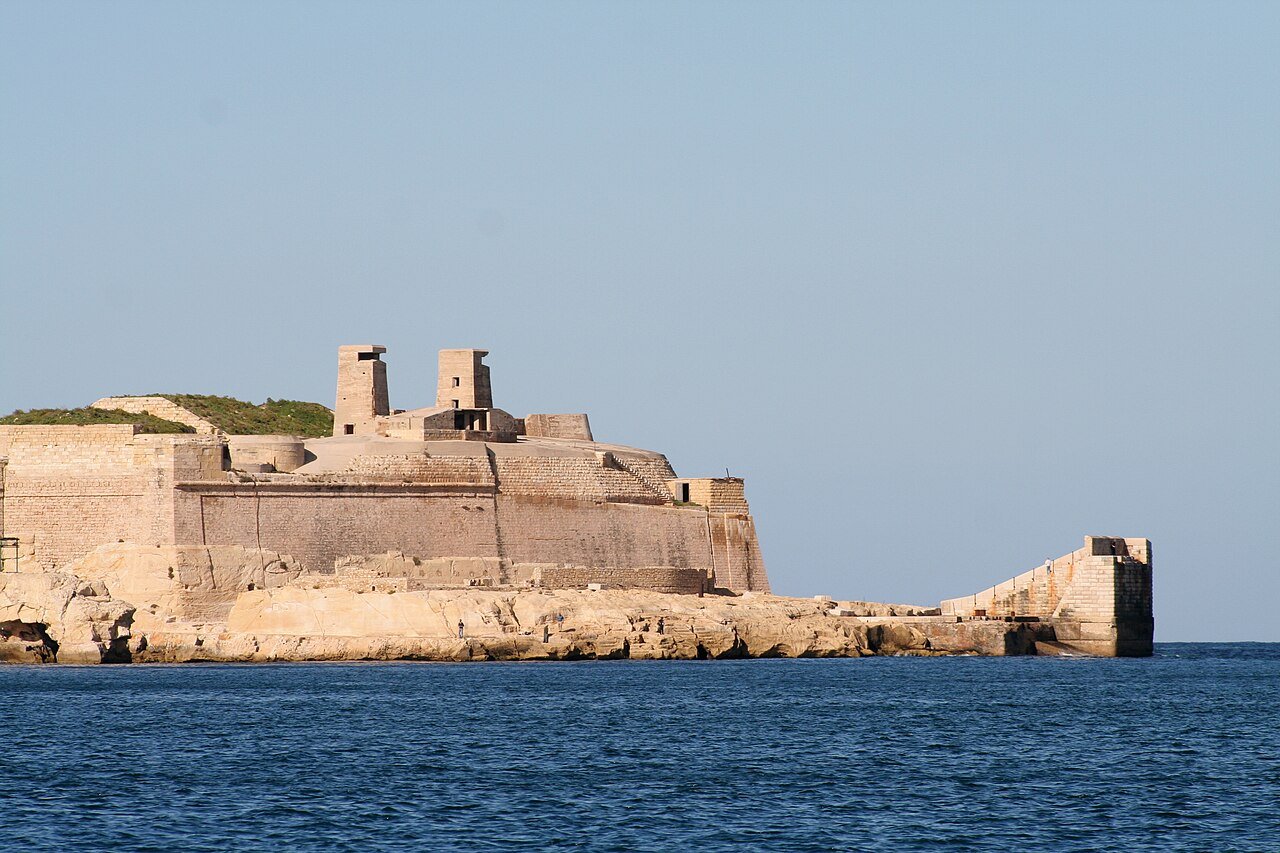
At the tip of the Valletta peninsula, the star-shaped fort tells the story of Malta’s many sieges, from the Great Siege of 1565 to the Second World War. The ramparts have wide harbour views, which makes it a good walk as well as a museum.
The Grandmaster’s Palace
The former seat of the Grand Masters of the Order of St John, with state rooms and an armoury. Good for a group that likes grand interiors and stories about the Knights.
St John’s Co-Cathedral
Plain on the outside and lavishly decorated inside, it is home to Caravaggio’s “The Beheading of Saint John the Baptist”. Visitors are expected to dress respectfully.
Casa Rocca Piccola
A historic palace on Republic Street that is still a family home, shown on guided tours. Small groups suit it well, and the guided format means conversation flows easily.
| Museum | Good for | Typical visit |
|---|---|---|
| National Museum of Archaeology | Prehistory fans, first-time visitors | About 1 hour |
| MUŻA | Art lovers, conversation | 1 to 2 hours |
| National War Museum, Fort St Elmo | History, harbour views | 1.5 to 2 hours |
| Grandmaster’s Palace | Interiors, the Knights | About 1 hour |
| St John’s Co-Cathedral | Baroque art, Caravaggio | About 1 hour |
| Casa Rocca Piccola | Small groups, guided tour | About 1 hour |
Where to find people to go to museums with in Valletta
- Friends and colleagues who like culture. Ask directly: “I want to see MUŻA on Saturday, interested?” A specific invitation gets more yeses than “we should go to a museum sometime”.
- Walking tour and cultural groups. People on a guided walk of Valletta are, by definition, interested in its history. Suggest a museum afterwards.
- Classes and courses. Language schools, art classes and history talks attract people who enjoy exactly this kind of plan.
- People from other plans. Someone you met for coffee or a walk may be the perfect museum companion. See how to find someone to do things with in Malta.
- Your own museum plan. Post it and let people who share the interest ask to join.

How to set up a museum plan
- Choose one museum. One is enough for a first plan. Two small ones can work for an afternoon.
- Check opening hours and last entry before you post, and allow time for the visit.
- Meet at the entrance at a set time. In Valletta, everything is within walking distance of the City Gate bus terminus.
- Keep it small. Two to four people can stay together and talk in each room.
- Plan the coffee. A café nearby afterwards is where you really get to know each other.
Example plan
Plan: Saturday afternoon at MUŻA, then coffee. Place: museum entrance, Merchants Street, Valletta. Seats: 3. Who pays: pay your own. Description: “Slow visit, about 90 minutes, then a coffee nearby to talk about our favourite pieces. No art knowledge needed.”
On MeetNow, a host posts a plan like this at a public place with a date, time and number of seats, and says who pays: host pays, split, pay your own or free. People nearby ask to join with a short note, the host picks who comes, and accepted guests get a group chat to confirm the meeting point. For a coffee spot afterwards, see meeting new people for coffee in Malta.
Tickets, passes and timing
- Pay your own is the simplest arrangement for tickets.
- Heritage Malta passes: Heritage Malta sells a multisite pass valid for 30 days and an annual membership covering many of its sites. Check its website for current prices and inclusions before you go.
- Free-entry events: Heritage Malta has opened many of its museums for free on some occasions, such as Valletta’s Notte Bianca arts night. Expect bigger crowds on those days.
- Timing: weekday afternoons and winter months are quieter. Rainy days fill museums quickly, so book or arrive early.
Visiting Malta on your own? Our guide to meeting people in Malta as a solo traveler has more ideas, and our pillar guide on finding people to hang out with in Malta covers groups and clubs. For other ideas by season, see popular plans in Malta.
Safety box
- Meet new people at the museum entrance or another busy public place.
- Tell a friend where you are going and who you are meeting.
- Arrange your own way home and check the bus times from Valletta.
- Keep valuables secure in busy museums and streets.
- Leave if you feel uncomfortable. In an emergency in Malta, call 112.
Want to turn this into an actual plan? Open MeetNow and see the plans near you.
Related questions
- How do I find people to go to the cinema in Malta?
- How can I meet new people for coffee in Malta?
- How do I find someone to do things with in Malta?
- What are the most popular plans in Malta?
Frequently asked questions (FAQ)
Which Valletta museums are best to visit with someone?
The National Museum of Archaeology, MUŻA, the National War Museum at Fort St Elmo, the Grandmaster’s Palace, St John’s Co-Cathedral and Casa Rocca Piccola all work well for a shared visit of one to two hours, followed by coffee nearby.
How do I find people to go to museums with in Valletta?
Ask friends and colleagues who enjoy culture, join groups that organise cultural outings or walking tours, invite people you have met at other plans, or post a museum plan with a time, a meeting point at the entrance and pay your own tickets.
Is there a pass for several museums in Malta?
Heritage Malta, which runs many of the national museums and sites, sells a multisite pass valid for 30 days as well as an annual membership. Check its website for current prices and which sites are included.
How long does a museum visit in Valletta take?
Most visits take one to two hours. Valletta is compact, so you can easily combine one museum with a coffee or lunch, or two smaller museums in an afternoon.
Who pays on a museum plan?
Pay your own is the simplest option: everyone buys their own ticket and coffee. If someone has a pass or membership, they can mention it so others know what to expect.